Stem Cell Therapy for Frozen Shoulder: Treatment Possibilities

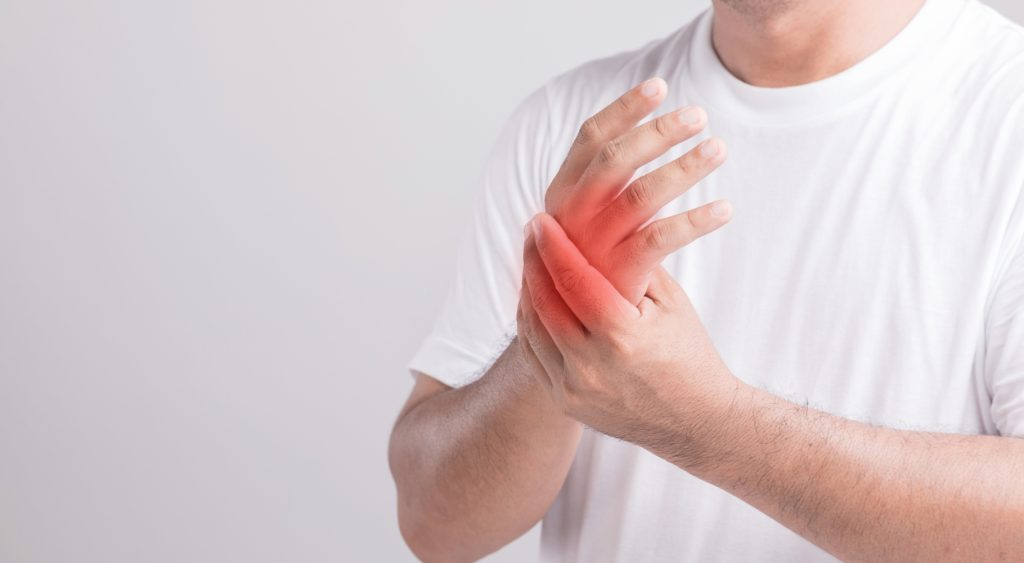

Frozen shoulder can be one of the most frustrating conditions in musculoskeletal medicine because it interferes with ordinary movements that people do not think about until they hurt. Reaching a seatbelt, fastening a bra, lifting a kettle, pulling on a coat sleeve, washing your hair, sleeping on one side, even tucking in a shirt can become difficult. The pain often arrives first, then the stiffness settles in and lingers. For many patients, the biggest surprise is not how much the shoulder hurts, but how long the problem can last.
That long time horizon is part of why interest in regenerative medicine has grown. People who have already tried rest, anti-inflammatory medication, physical therapy, and perhaps a steroid injection often start asking about newer options. Stem Cell Therapy enters the conversation at this point, usually framed as a treatment that might reduce inflammation, support tissue healing, or shorten recovery. Those are understandable hopes. They also require careful unpacking.
Frozen shoulder is not the same thing as a rotator cuff tear, shoulder arthritis, or tendonitis, even though symptoms can overlap. The biology is different, and that matters when discussing what any injection can realistically do. Stem cell-based treatments may have a role in selected shoulder conditions, but for frozen shoulder specifically, the evidence is still developing and the treatment is not a universal fix. A sensible discussion begins with the condition itself.
What frozen shoulder actually is
The medical term for frozen shoulder is adhesive capsulitis. The shoulder joint is surrounded by a capsule, a sleeve of connective tissue that helps stabilize the joint while still allowing a wide range of movement. In adhesive capsulitis, that capsule becomes inflamed and then progressively thickened and tight. Scar-like changes can develop. The joint loses its normal capacity to glide.
Patients usually describe two linked problems. The first is pain, often deep in the shoulder and worse at night. The second is restriction in movement, not just because moving hurts, but because the joint physically stops going where it used to go. One clue clinicians look for is loss https://beckettekvr963.brightsora.com/posts/stem-cell-therapy-for-heart-disease-new-frontiers-in-research of passive range of motion. In plain language, even if someone else tries to gently move the arm for you, the shoulder still does not rotate or elevate normally.
This condition commonly affects adults between roughly 40 and 65, and it is more frequent in people with diabetes, thyroid disease, prolonged immobilization after injury or surgery, and certain metabolic disorders. Sometimes it appears without a clear trigger. I have seen patients insist they must have torn something because the stiffness felt so dramatic, yet imaging showed no major tendon injury. That mismatch between severe limitation and relatively unremarkable scans is classic.
Why treatment can be slow and nuanced
Frozen shoulder often moves through phases, though real life does not always follow textbook timing. The painful phase can last months. The stiff phase can linger longer. Recovery may take a year or more, and in some cases closer to two years. Many people do improve over time, but “it gets better eventually” is not much comfort when sleep is poor and daily tasks are impaired.
The challenge is that different treatments seem more useful at different points. Early on, when inflammation and pain dominate, reducing irritation and maintaining gentle motion may be the priority. Later, when stiffness is the main issue, the focus shifts toward regaining mobility. Push too aggressively in the painful stage and patients often flare. Do too little in the stiff stage and they can lose valuable time.
That is why any discussion of Stem Cell Therapy for frozen shoulder should not happen in isolation. It must be placed in the context of phase, symptom pattern, previous treatment response, overall health, and the possibility that the diagnosis is incomplete. A shoulder with frozen capsule plus a partial cuff tear, bursitis, or cervical nerve irritation is a different case from a straightforward adhesive capsulitis.
Standard treatment still matters
Before considering regenerative options, it helps to understand the conventional toolkit. This is not old-fashioned medicine being recited out of habit. It is the baseline against which newer therapies should be judged.
Pain relief often begins with activity modification, oral anti-inflammatory medication if appropriate, and guided physical therapy. A good therapist does more than hand out stretches. They dose movement carefully, teach ways to avoid guarding, and adjust the plan as the shoulder shifts from irritable to stiff. Home exercise matters, but overdoing it is common. A patient who forces end range several times a day because they are “trying to break up scar tissue” often arrives angrier and more inflamed.
Corticosteroid injections can be helpful, especially earlier in the disease, because they can calm inflammation and improve short-term pain. Hydrodilatation, where fluid is injected into the joint capsule to stretch it, may help some patients. In stubborn cases, manipulation under anesthesia or arthroscopic capsular release can be considered. These are more invasive steps, usually reserved for prolonged or severe cases.
None of this means the standard route is perfect. Some patients improve quickly. Others plateau. Some cannot tolerate steroid side effects, particularly people with blood sugar issues. Some want to avoid surgery if possible. Those gaps are what drive interest in biologic therapies.
Where Stem Cell Therapy fits into the conversation
Stem Cell Therapy is often used as a broad umbrella term, and that creates confusion. Many clinics use the phrase to describe treatments derived from bone marrow aspirate or adipose tissue, even when the final injectate contains a mixed population of cells rather than purified stem cells. Mesenchymal stromal cells, growth factors, signaling molecules, platelets, and other components may all be part of the proposed mechanism.
The theory is attractive. If adhesive capsulitis involves inflammation, fibrosis, and abnormal tissue remodeling, perhaps a biologic treatment could shift the joint environment toward a less inflammatory and more regenerative state. In theory, that could ease pain, improve motion, or reduce the duration of the disorder.
The gap between theory and proven outcome is where a lot of the real work sits. Frozen shoulder is a capsular problem. Most biologic injections in sports medicine have been studied more extensively in tendon pathology, mild osteoarthritis, or focal soft tissue injury. The shoulder capsule in adhesive capsulitis has its own behavior. An injection that helps a degenerative tendon does not automatically translate to a fibrotic capsule.
This does not mean regenerative therapy has no place. It means the claims should be careful. At present, Stem Cell Therapy for frozen shoulder should be viewed as a possible emerging option, not a settled standard of care.
What the current evidence suggests, and what it does not
The evidence base for stem cell-based treatment in frozen shoulder is limited compared with the literature on steroid injections, therapy, and surgical release. There are early studies, small clinical series, and broader regenerative medicine discussions that support biological plausibility. Some clinicians report meaningful improvements in pain and function in selected patients. That is worth noting. It is not the same as having large, high-quality trials that define exactly who benefits most, what preparation works best, what dose matters, where the injectate should be placed, and how it compares head-to-head with established care.
A practical reading of the field looks something like this. There is scientific interest. There is preliminary promise. There is not yet enough robust evidence to present Stem Cell Therapy as a clearly superior treatment for most people with frozen shoulder.
This distinction matters because marketing language can leap ahead of science. Patients sometimes arrive after reading that stem cells “repair damaged tissue” or “reverse frozen shoulder naturally.” Those phrases sound decisive, but adhesive capsulitis is not simply a hole in tissue waiting to be patched. It is a dynamic inflammatory and fibrotic process. Improvement may come from modulation rather than repair, and even that may be variable.
Another issue is that outcomes in frozen shoulder are tricky to interpret because the condition often improves over time anyway. If someone receives an injection six months into a naturally evolving illness and begins to recover over the next three months, was that due to the treatment, the natural history of the condition, the physical therapy they continued, or a combination? Good trials are designed to sort that out. Until more of them exist, confidence should remain measured.
What a real-world treatment process may look like
When regenerative therapy is offered for a frozen shoulder, the process usually starts with diagnostic confirmation. That may involve physical examination, review of symptom timeline, and imaging to rule out other pathology. Ultrasound or MRI might show associated findings, but the diagnosis remains primarily clinical. The key is a painful, stiff shoulder with restricted passive range.
If a clinician decides that a biologic injection is reasonable, the cells or cell-containing concentrate are commonly obtained from bone marrow, often from the pelvis, or from adipose tissue depending on the protocol and local regulations. The material is processed and then injected, typically with imaging guidance, into the shoulder joint or relevant structures. Precision matters. A capsule-based problem benefits from accurate placement more than from wishful thinking.
Recovery is rarely passive. Most programs combine the procedure with carefully timed rehabilitation. Patients are often advised to protect the area briefly, then resume or begin structured mobility work. That balance is important. If the shoulder is left alone entirely, stiffness may persist. If it is attacked too soon, symptoms may flare.
One of the biggest misconceptions is that biologic injections are an instant reset. They are not. Even in a best-case scenario, people usually improve over weeks to months rather than days. The pace can be slower than many expect, especially if the capsule has been stiff for a long time.
Who might consider it
Stem Cell Therapy usually enters the picture for people who sit in the gray zone between basic conservative care and invasive procedures. A patient might be several months into symptoms, clearly limited, and disappointed by standard measures, yet not ready for manipulation or surgery. Another candidate might be someone who cannot or should not receive repeated steroid injections. A third might have mixed pathology, where regenerative treatment is being considered not only for the stiff capsule but also for associated tendon degeneration.
That said, candidacy is not just about frustration level. It depends on diagnosis, stage of disease, medical conditions, clinician experience, and the patient’s willingness to commit to follow-up rehab. A person expecting a one-time injection to eliminate all pain and restore full range by next week is poorly matched to the process, no matter how biologically sophisticated the treatment sounds.
There is also the issue of diabetes. People with diabetes are more prone to frozen shoulder and often have more persistent cases. They may also be advised to limit steroid exposure because of blood sugar spikes. In that subgroup, regenerative options are especially appealing in theory. But appealing theory should still be separated from proof. These patients deserve honest counseling, not enthusiastic overselling.
Potential advantages worth discussing
When used thoughtfully, biologic therapy has some practical appeal. It may offer a non-surgical path for selected patients. It may reduce reliance on corticosteroids in some cases. It may complement rehabilitation rather than replace it. Because many regenerative treatments are autologous, meaning they come from the patient’s own body, some people feel more comfortable with them than with repeated drug-based interventions.
There is also a broader point from clinical experience: patients do better when treatment choices match both pathology and temperament. Someone with a low tolerance for surgery, a strong desire to exhaust less invasive options, and realistic expectations about gradual improvement may be a better fit for a regenerative approach than someone looking for immediate mechanical release of a very rigid capsule.
Still, possible benefits should be described as possible, not guaranteed. That single shift in wording protects patients from a lot of disappointment.
The limitations are not minor
Cost is often the first practical barrier. Stem Cell Therapy is frequently not covered by insurance for frozen shoulder, especially when considered investigational or outside conventional pathways. Out-of-pocket prices can range widely by clinic, region, and product type. For many families, this alone makes the decision difficult.
The second limitation is variability. Different clinics use different harvest sites, processing methods, injection targets, rehabilitation protocols, and definitions of success. Two treatments marketed under the same name may be meaningfully different. That makes it hard for patients to compare offerings and hard for the field to generate clean data.
The third limitation is regulatory and quality control complexity. Terms such as “stem cell injection” can obscure what is actually being used. Patients should know whether they are receiving minimally manipulated autologous tissue, a cell concentrate, a donor-derived product, or something else entirely. Precision in language is not academic nitpicking. It is central to informed consent.
The fourth limitation is that even a technically perfect injection cannot overcome every mechanical problem. If severe capsular contracture is already established, a biologic may not create enough change on its own. Some shoulders are simply too stiff, too chronic, or too complicated by other pathology to respond adequately without more direct intervention.
Risks and unknowns
The risk profile depends on the exact product and technique, but no injection is risk-free. Common short-term issues include soreness, bruising, and a temporary increase in pain after the procedure. With bone marrow harvest, the donor site itself can ache for several days. Infection, bleeding, nerve irritation, and procedural complications are uncommon but real possibilities. Sterility and image guidance are not optional details. They are basic standards.
The larger concern is uncertainty. Because protocols differ and the evidence base remains incomplete, there are open questions about optimal cell composition, dosing, timing, and expected durability. There is also the possibility of spending significant money and time with little benefit. That is not a catastrophic medical risk, but it is a meaningful real-world risk.
Patients should be especially cautious with sweeping claims, pressure tactics, or guarantees of cartilage regrowth, scar dissolution, or permanent cure. Frozen shoulder often improves, but it also relapses in some cases or shifts to the other side over time in susceptible individuals. Any treatment presented as foolproof deserves skepticism.
The role of physical therapy after regenerative treatment
One of the least glamorous but most decisive parts of recovery is what happens after the injection. A shoulder capsule that has been painful and tight for months does not suddenly behave like a healthy joint because a procedure has been done. The nervous system remains protective. Movement patterns remain altered. Scapular mechanics may be off. The surrounding muscles may be weak, guarded, or both.
A skilled rehabilitation plan usually starts with symptom-calibrated mobility rather than forceful stretching. I have seen the best results when therapists respect irritability early, then build intensity once the shoulder tolerates it. Small gains matter. Ten degrees more external rotation can mean easier dressing. Better sleep can restore patience for the whole rehab process. Those practical milestones are often more meaningful than abstract range-of-motion numbers.
Patients who improve after regenerative care commonly describe progress as uneven. One week the shoulder feels looser, the next it feels stubborn again. That waxing and waning is normal enough that it should be anticipated. A straight-line recovery is rare.
Questions worth asking before choosing a clinic
If you are considering Stem Cell Therapy for frozen shoulder, the quality of the conversation with the treating clinician matters almost as much as the treatment itself. A credible practice should be able to answer a few direct questions clearly:
- What exactly are you injecting, and how is it prepared?
- Why do you think this is appropriate for adhesive capsulitis in my case?
- What evidence do you rely on, and how strong is it?
- What is the rehabilitation plan after the procedure?
- What are the realistic chances that I will still need another intervention?
Those five questions often separate careful medicine from marketing. The goal is not to catch anyone out. It is to make sure the proposed treatment reflects diagnosis, evidence, and experience rather than enthusiasm alone.
How it compares with steroid injection and surgery
A steroid injection is often quicker, cheaper, and supported by a stronger base of evidence for short-term relief in many patients, especially earlier in the course. Its limitations are familiar: benefits may fade, repeat injections have downsides, and some patients are poor candidates.
Stem Cell Therapy may appeal when steroids are undesirable, when prior treatment has stalled, or when a patient wants to explore biologic options before considering surgery. The trade-off is higher cost, less standardization, and more uncertainty about outcomes.
Surgery, whether manipulation under anesthesia or arthroscopic release, can be effective for carefully selected patients with persistent, substantial stiffness. It tends to provide a more immediate mechanical solution to severe restriction. But it is invasive, requires recovery work, and carries operative risks. For some patients, that level of intervention is exactly what finally restores function. For others, it is a step worth postponing while less invasive options are explored.
There is no universal hierarchy that fits every person. Timing, symptom phase, diabetes status, occupational demands, pain tolerance, prior treatment response, and financial reality all shape the decision.
What realistic expectations look like
The best candidates for Stem Cell Therapy in frozen shoulder are usually not those chasing a miracle. They are those who understand the treatment as one part of a larger strategy. A realistic goal might be to reduce pain enough to sleep better and tolerate rehab more effectively. Another might be to improve motion gradually over several months and avoid surgery. A less realistic goal would be complete restoration of full range in a long-standing, severely contracted shoulder after a single injection with no therapy.
It also helps to define success before starting. For one person, success means reaching overhead to stock shelves at work. For another, it means serving a tennis ball again. For another, it is simply fastening a seatbelt without wincing. When expectations are concrete, outcomes are easier to judge honestly.
The bottom line for patients and clinicians
Frozen shoulder is a genuine quality-of-life problem, not a minor nuisance. The pain is disruptive, the stiffness can be severe, and the timeline often tests people’s patience. That reality is what makes regenerative therapies attractive. Stem Cell Therapy has plausible mechanisms and growing clinical interest, and it may prove useful for selected cases, especially when integrated with accurate diagnosis and thoughtful rehabilitation.
At the same time, the evidence for adhesive capsulitis remains limited enough that caution is appropriate. The treatment should not be sold as established fact when it is still, in many respects, an emerging possibility. Patients deserve clarity about cost, uncertainty, alternatives, and the likely need for continued therapy afterward.
For some, the right answer will still be conventional care, often including a well-timed steroid injection and patient, skilled physical therapy. For others, particularly those who have plateaued or who need to avoid steroids, Stem Cell Therapy may be a reasonable next discussion. The deciding factor should not be trend or hype. It should be whether the treatment fits the biology of the shoulder in front of you, the goals of the person attached to it, and the quality of the evidence supporting the plan.
Denver Regenerative Medicine | Stem Cell Therapy, HRT, Testosterone Clinic
Address: 155 Boardwalk Dr Ste 400 - #451, Fort Collins, CO 80525
Phone number: +17205831648
FAQ About Stem Cell Therapy Fort Collins
What are the negative side effects of stem cell therapy?
Stem cell therapy can cause mild short-term reactions like injection-site pain, fatigue, and low-grade fever. More serious risks include infection, immune system rejection, blood clots, unintended tissue growth or tumors, and severe complications from unproven treatments at unregulated clinics.
What diseases can stem cells cure?
Currently, stem cells routinely and effectively cure specific blood cancers, immune deficiencies, and blood disorders using established bone marrow or cord blood transplants. Most other applications—such as for Parkinson's, diabetes, or heart failure—remain experimental or in clinical trials rather than proven cures.
Do stem cell treatments really work?
Yes, stem cell treatments work, but only for a very specific group of conditions. Hematopoietic stem cell transplants (bone marrow transplants) are fully proven and widely used to treat blood cancers like leukemia and lymphoma. However, commercial stem cell treatments for joint pain, arthritis, and wrinkles are largely unproven, experimental, and costly.