Fotona Laser Treatments for Fresh, Radiant-Looking Skin
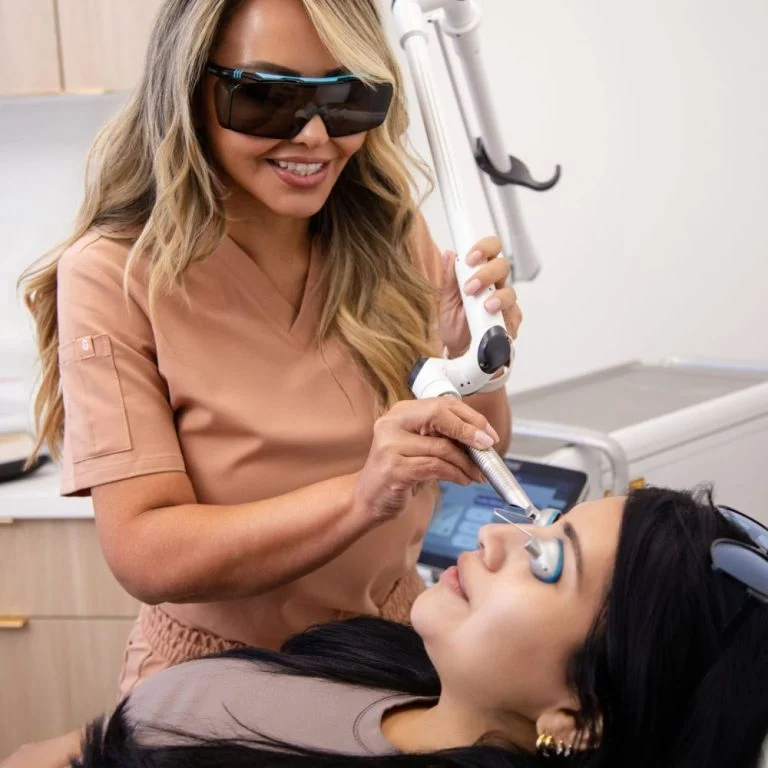
Healthy-looking skin rarely comes down to one magic appointment. In practice, it is usually the result of good baseline skin care, sensible sun habits, and the right in-office treatment chosen for the right concern. That is where Fotona Laser Treatments have earned a loyal following among both clinicians and patients. They offer a flexible platform that can address texture, uneven tone, enlarged pores, early laxity, acne-related changes, and signs of photoaging without making every patient commit to the same level of downtime.
What makes these treatments especially interesting is their range. Some sessions are gentle enough to fit into a busy week with very little interruption. Others are more intensive, designed for people who want a stronger resurfacing effect and are willing to trade a few recovery days for a bigger visible change. That flexibility matters. Skin concerns do not show up in neat categories, and neither do patients. One person wants a polished glow before an event. Another is more focused on long-standing acne scars or crepey texture around the mouth. A good laser plan respects those differences.
Fotona systems are often used because they allow a provider to tailor energy delivery, depth, and treatment goals with precision. Rather than viewing “laser treatment” as one generic service, it helps to think of Fotona as a toolbox. The exact treatment depends on your skin type, your tolerance for downtime, your priorities, and how much change you are hoping to see over time.
Why patients ask for radiance, and what they usually mean
When patients say they want radiant skin, they are not always asking for brightness alone. Radiance is often a shorthand for several qualities working together. Skin looks fresher when its surface reflects light more evenly, when rough texture is softened, when pores are less obvious, and when dull, compacted dead skin is no longer sitting on top. It can also mean a reduction in redness, a more even color, or a firmer look through the lower face.
That is why a consultation matters so much. Someone may arrive convinced that pigmentation is the main issue, only to discover that dehydration, fine lines, and mild skin laxity are contributing more to the tired appearance they notice in the mirror. Another patient may think they need a harsh resurfacing treatment, when a series of lighter sessions would serve them better and carry less risk of post-treatment irritation.
Fotona Laser Treatments can fit into this conversation because they are not limited to one single endpoint. A provider can use them to promote collagen remodeling, refine the skin surface, encourage tightening, or improve the overall look and feel of the complexion. In many cases, the best results come from combining these goals thoughtfully rather than chasing one dramatic fix.
What Fotona actually refers to
Fotona is a laser platform brand widely used in aesthetic and medical dermatology settings. Different Fotona systems can use distinct laser wavelengths, often including Er:YAG and Nd:YAG, each of which behaves differently in tissue. That technical distinction matters because it influences how deeply the laser energy penetrates and what kind of response it creates in the skin.
The Er:YAG side is commonly associated with more superficial resurfacing and precision work on the skin’s surface. It can help improve roughness, visible signs of sun damage, and fine lines. The Nd:YAG side is often used for deeper heating, collagen stimulation, vascular concerns in some settings, and non-ablative tightening approaches. Depending on the protocol, a provider may use one wavelength alone or combine them during a treatment series.
From the patient’s perspective, this means a Fotona appointment is not one fixed experience. The sensation, aftercare, expected healing, and timeline for results can vary. Some treatments leave the skin pink for a day or two. Others may produce a stronger sunburn-like effect, a rough bronzed texture during healing, or a short window of visible peeling. None of that is inherently good or bad. It simply reflects how assertive the treatment is.
The skin concerns Fotona Laser Treatments can address well
The strongest candidates for these treatments are usually people dealing with mild to moderate textural irregularity, signs of cumulative sun exposure, or early-to-moderate changes in firmness. In clinic settings, common requests include softening etched lines around the eyes or mouth, improving enlarged pores, smoothing acne scars, and restoring a brighter, more rested look.
Pigment can also improve, especially when the dullness is tied to superficial skin damage. That said, not every form of pigmentation responds the same way, and this is where nuance matters. Melasma, for example, can be stubborn and reactive. Aggressive heat or inflammation can sometimes worsen it rather than improve it. In those cases, a conservative plan is usually wiser, often involving careful skin preparation and a combination approach rather than a single aggressive pass.
Patients with acne-prone skin often ask whether lasers will trigger breakouts. The answer depends on the condition of the skin at the time of treatment and the protocol being used. Active, inflamed acne may need better control first. Acne scarring, by contrast, is often one of the more rewarding reasons to consider resurfacing or collagen-stimulating laser work, especially when expectations are realistic. Deep rolling or ice-pick scars typically improve in stages rather than disappearing outright.
What a session feels like in real life
A lot of first-time patients expect laser treatment to feel either terrifying or trivial. The reality sits somewhere in the middle. The experience depends on the settings, the treatment area, and whether the session is geared toward gentle rejuvenation or more assertive resurfacing.
For lighter treatments, many patients describe quick warmth, prickling, or the repeated snap of heat moving across the skin. A cooling method, topical numbing, or both may be used, depending on the protocol. For deeper resurfacing, topical anesthetic is common, and the skin can feel quite hot afterward, similar to a strong sunburn for several hours. Most people tolerate it well when they https://deanagjm766.readspirex.com/posts/the-beginner-friendly-guide-to-fotona-laser-treatments know what to expect in advance.
The immediate post-treatment look also varies. After a gentler non-ablative session, the face may just appear pink and a bit tight. After resurfacing, there may be redness, swelling, and a sandpapery texture as the skin heals and sheds. Patients are often relieved to hear that this rough, slightly bronzed phase is not a sign that something has gone wrong. It is part of the expected renewal process for certain settings.
Timing matters. If someone has a wedding, conference, photo shoot, or reunion on the calendar, the treatment plan should work backward from that date. I have seen patients schedule a stronger laser too close to an important event because they assumed all redness would be gone in forty-eight hours. That is not a mistake worth repeating. A modest treatment done at the right time almost always beats a stronger treatment done too late.
Freshness versus transformation
One of the most useful ways to understand Fotona Laser Treatments is to separate refreshment from correction. Some sessions are designed to give the skin a cleaner, smoother, more luminous look with minimal social downtime. These are often chosen by people who want maintenance, not a dramatic change. They may notice makeup sits better, pores look softer in daylight, and the skin regains some bounce.
Other sessions aim for structural improvement. That includes softening acne scars, tightening crepey areas, and reducing more established textural damage. These treatments usually require either a series of visits, more recovery, or both. The payoff can be meaningful, but it helps to think in percentages rather than absolutes. A patient with moderate acne scarring might see visible improvement over several sessions and still have some residual irregularity. That is a good outcome when it is explained clearly from the start.
This distinction is important because disappointment often comes from mismatched expectations, not poor treatment. If someone wants a polished glow before a holiday party, they do not necessarily need an aggressive resurfacing plan. If someone has spent years trying to conceal pitted scars with makeup, one light laser session is unlikely to satisfy them. Good treatment planning is as much about honesty as it is about technology.
Who tends to benefit most
The best results usually come when the treatment is matched carefully to the skin in front of the provider, not just to a trend on social media. In broad terms, strong candidates often include:
- People with dullness, rough texture, and early signs of photoaging who want a more rested, even look.
- Patients with enlarged pores or acne scarring who understand that improvement is gradual and typically requires multiple treatments.
- Individuals noticing mild skin laxity who want collagen-focused tightening without surgery.
- Those willing to follow pre- and post-care instructions closely, especially around sun exposure.
- Patients with realistic expectations about recovery, maintenance, and the fact that natural skin still has pores, movement, and texture.
Suitability still depends on skin type, tanning history, active skin conditions, medications, and prior procedures. A careful provider screens for all of these before moving forward.
The importance of provider judgment
Laser platforms are only as good as the person using them. That is not marketing language, it is daily clinical reality. The same device can produce a thoughtful, elegant result in one setting and an avoidable complication in another. Skin type assessment, conservative parameter selection, and an understanding of wound healing matter just as much as the hardware.
This is especially true in patients with deeper skin tones or a history of post-inflammatory hyperpigmentation. These patients can absolutely benefit from laser treatments, but the plan often needs more caution. Sometimes that means lower settings, slower progression, skin priming beforehand, or choosing a different treatment entirely. The goal is not simply to do a laser. The goal is to improve the skin safely.
A responsible consultation should also cover what the treatment cannot do. Laser will not replace volume loss in the cheeks, correct heavy lower-face descent, or erase deep dynamic expression lines caused by muscle movement. It may soften some of these visual cues indirectly by improving the skin envelope, but it is not a substitute for every other category of aesthetic care. When patients hear that clearly, they tend to be happier because they know what success actually looks like.
Recovery is where good results are protected
The procedure itself may take less than an hour, but the healing period determines a surprising amount of the final outcome. After laser work, the skin is temporarily more reactive and more vulnerable to irritation. This is the window when over-exfoliating, picking, sweating heavily, or getting significant sun can sabotage the process.
Post-care instructions differ by protocol, but most plans emphasize a gentle cleanser, barrier-supportive moisturizer, strict sun protection, and a pause on strong actives until the skin settles. In resurfacing cases, patients may be told to avoid friction, heat, and certain cosmetics for a short period. The details matter because laser-treated skin does not appreciate improvisation.
A simple rule that serves most patients well is this:
- Keep the skin clean, cool, and well moisturized.
- Do not resume retinoids, acids, or scrubs until your provider says the barrier has recovered.
- Use broad-spectrum sunscreen consistently, and avoid intentional sun exposure while healing.
- Leave flaking or rough texture alone rather than rubbing or picking at it.
- Report unusual pain, spreading redness, pus, or delayed healing promptly.
It sounds basic, but these habits prevent a great deal of avoidable trouble. Many poor laser outcomes are not dramatic burns. They are slower, quieter setbacks caused by excess heat, too much product, or poor sun discipline in the days that follow.
How many sessions are usually needed
This depends entirely on the treatment goal. If the aim is a refreshed, brighter appearance, some patients are pleased after a single session or a short series spaced several weeks apart. If the aim is acne scarring, tightening, or cumulative resurfacing, a provider may recommend multiple treatments over several months.
A useful way to frame this is to think of skin quality as a long game. Collagen remodeling is not instant. Surface brightness may improve relatively quickly, but firmness and deeper texture changes evolve over time. Many patients see an early glow once the skin heals, then a gradual refinement over the following weeks as the deeper response develops.
Maintenance is often part of the conversation too. Skin continues to age, and sun exposure continues to leave its mark unless behavior changes. That does not mean results vanish overnight. It means that one treatment series should be viewed as a reset or a boost, not a lifetime exemption from biology.
Trade-offs worth understanding before you book
Every aesthetic treatment involves a trade-off among intensity, downtime, risk, and result. Fotona Laser Treatments are no exception. The stronger the intervention, the more visible the healing phase is likely to be. That stronger approach may deliver more improvement per session, but it also demands better timing and stricter aftercare.
The gentler options often fit more easily into ordinary life. They tend to carry less social downtime and can be appealing for patients who are laser-curious but cautious. The trade-off is that change is usually subtler and more cumulative. There is nothing inferior about that route. For many busy professionals, it is the smartest path because they can maintain consistency without disrupting work or family life.
Cost also deserves a frank mention. A low-priced treatment performed too lightly to make any meaningful difference is not a bargain. On the other hand, paying for a highly aggressive plan when your goals are modest makes little sense. Value comes from alignment, not just from the session fee.
Pairing laser with the rest of your skin strategy
Laser works best when it is part of a broader skin plan. If the barrier is chronically irritated, if acne remains active, or if sun exposure is constant, the treatment has to fight uphill. Patients often get more mileage from laser when they also improve the basics: daily sunscreen, a tolerable active such as a retinoid when appropriate, and products that support rather than strip the skin.
There is also room for combination treatment in the right hands. Some patients benefit from pairing laser with peels, injectables, or energy-based skin tightening at separate intervals, depending on their main concern. The order matters. For example, someone focused on overall facial rejuvenation may need volume support, not just resurfacing. Another patient may do best with a pigment-calming plan before any heat-based treatment is attempted. This is where the art of sequencing becomes more important than the allure of any single device.
The kind of result that tends to age well
The most attractive outcomes are usually the least obvious ones. Good laser work does not make skin look plastic or overprocessed. It makes the face look more rested, cleaner in texture, more even in tone, and subtly more resilient. Friends may comment that you look well, not that you look treated.
That is one reason these treatments remain popular. They can create visible improvement without changing the fundamental character of the face. Fine lines may soften. Pores may blur. The skin may catch light more evenly. Those are small shifts individually, but together they add up to a fresher impression.
For patients considering Fotona Laser Treatments, the practical question is not whether the technology is impressive. It is whether the specific treatment plan suits your skin, your schedule, and your expectations. When that match is right, the results can be elegant, believable, and genuinely satisfying. Fresh, radiant-looking skin is rarely about excess. More often, it comes from thoughtful correction, careful healing, and the kind of restraint that lets healthy skin look like itself, only better.
OMNIA Wellness Center
Address: 16430 Ventura Blvd Ste 207, Encino, CA 91436
Phone number: +18183868511
FAQ About Fotona Laser Treatments
What is a Fotona laser good for?
A Fotona Laser system is a versatile, dual-wavelength medical laser used primarily for non-surgical skin tightening, anti-aging rejuvenation, and dermatological treatments.
How much does the Fotona laser cost?
The cost of a Fotona laser depends heavily on whether you are looking to purchase a laser machine for a medical practice or are a patient seeking a laser treatment at a medspa.
Is a Fotona laser worth it?
A Fotona laser treatment is generally worth it if you want non-surgical skin tightening, improved texture, and collagen stimulation with very little downtime.