Can Fotona Laser Treatments Help With Uneven Skin Tone?
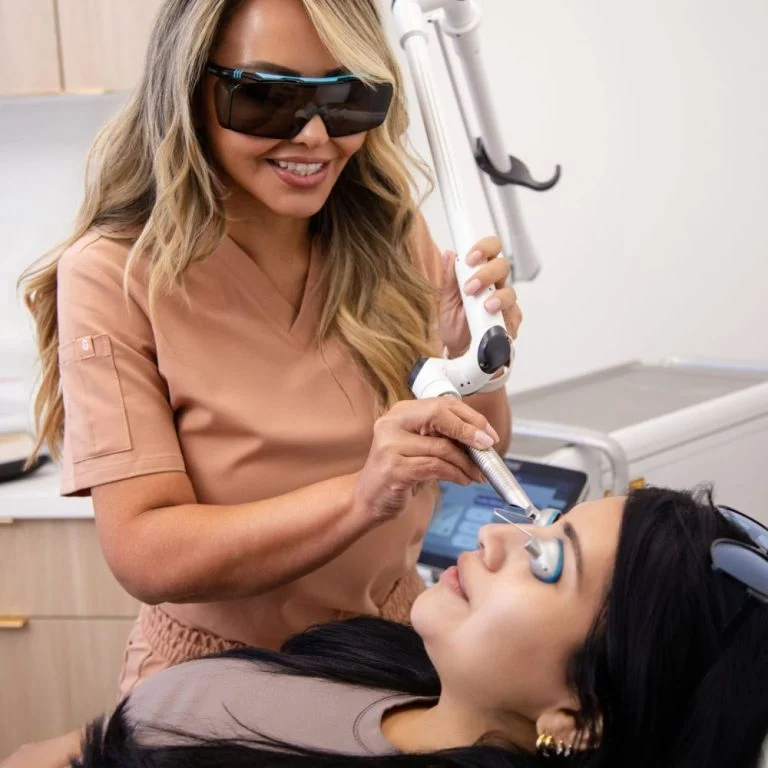
Uneven skin tone sounds like a simple cosmetic complaint until you sit across from someone who has tried everything. They come in with sunscreen in their bag, a brightening serum half-used at home, maybe a stack of before-and-after screenshots saved on their phone. What bothers them is not always dramatic hyperpigmentation. More often, it is a mix of issues that blur together in the mirror: sun spots around the cheekbones, post-acne marks on the jawline, redness around the nose, a dull cast that makes the skin look tired even when it is healthy.
That mix matters, because uneven tone is rarely one single problem. It can be melanin sitting too close to the surface. It can be vascular redness. It can be rough texture catching the light in an unflattering way. It can even be thinning skin and cumulative sun damage making the complexion look mottled. When people ask whether Fotona Laser Treatments can help, the honest answer is yes, often they can, but the reason they work has less to do with a one-size-fits-all promise and more to do with how precisely the treatment can be chosen and adjusted.
Fotona has earned attention because it is a versatile laser platform, not because it performs one magic trick. In practice, that flexibility is what makes it useful for uneven tone. A skilled provider can tailor the treatment to pigmentation, superficial texture, redness, or an overall dull complexion, sometimes combining approaches over a series of visits. The better question is not just whether Fotona can help, but which kind of uneven tone you have, how aggressive the treatment should be, and what trade-offs are realistic for your skin type and schedule.
What uneven skin tone actually includes
People often use the phrase as shorthand, but from a treatment standpoint, uneven skin tone is a broad category. Two patients can describe the same complaint and need very different care. One may have diffuse sun damage with scattered brown macules. Another may have post-inflammatory marks left from breakouts. Another may be dealing mainly with flushing and visible capillaries, which create a patchy appearance even without excess pigment.
This is where clinic consultation makes or breaks the outcome. Under good lighting, an experienced practitioner looks for pattern, depth, color, and trigger. Brown discoloration can sit in the epidermis or deeper in the dermis. Redness can be constant or reactive. Melasma, especially, deserves caution because heat can improve it in some cases and aggravate it in others if the treatment plan is too aggressive. Patients do not always realize that what they call “dark spots” may include several processes at once.
Fotona Laser Treatments are useful because they can target more than one layer of the problem. Some settings focus on superficial resurfacing. Others deliver controlled thermal energy that stimulates remodeling beneath the surface. If texture and tone are both contributing to a tired appearance, that combination can make a visible difference even when the pigment itself is not severe.
Why Fotona stands out in this conversation
Fotona is best understood as a family of laser capabilities, commonly centered around Er:YAG and Nd:YAG wavelengths. That technical detail matters because different wavelengths interact with skin differently. Er:YAG is often chosen for more superficial ablation and resurfacing. It can remove damaged outer layers with precision, which helps when uneven tone is tied to textural irregularity, superficial pigment, or a dull buildup of damaged skin. Nd:YAG can penetrate more deeply and is often used in ways that support collagen remodeling, vascular concerns, and broader rejuvenation.
A lot of people hear the word laser and imagine one treatment that does one thing. Real treatment planning is far more nuanced. In clinic settings, providers may use Fotona modes that gently polish the skin, modes that create more noticeable resurfacing, or modes designed to heat tissue without significant surface injury. That range is especially helpful when a patient wants improvement in tone but cannot tolerate a week of visible downtime, or when someone needs a stronger corrective approach because creams have already reached their limit.
The practical advantage is customization. A patient in their early thirties with mild post-acne discoloration and a busy work calendar might do well with lighter sessions spaced out over time. Someone with more pronounced sun damage and roughness may choose a stronger resurfacing session because a few days of recovery is worth a more substantial reset. Both can technically be receiving Fotona Laser Treatments, but the experience and recovery may look very different.
How these treatments can improve tone
Skin tone looks uneven for three main visual reasons: excess pigment, redness, and irregular reflection of light. That last point gets overlooked. Skin with rough texture or accumulated surface damage does not reflect light evenly, so it appears blotchy even when pigment is mild. This is one reason resurfacing can make the complexion look clearer before every dark mark has fully disappeared.
With properly selected settings, Fotona treatment can help remove or soften damaged superficial skin, encourage turnover, and stimulate repair. Over the following weeks, skin often appears more even not just because some discoloration has faded, but because the surface is smoother and the tissue beneath is remodeling. Patients sometimes describe this as looking “cleaner” or “brighter,” which is not medical language but is often exactly what they mean.
Brown spots from sun exposure tend to respond better than many https://pastelink.net/s2xd4do4 people expect, provided they are not too deep and provided the diagnosis is correct. Post-inflammatory hyperpigmentation can also improve, though the pace varies. Redness can respond when the vascular component is addressed. And if enlarged pores and shallow acne textural changes are part of the picture, those may soften as well, making the overall skin tone look more uniform.
That said, lasers do not erase every cause of discoloration equally. Melasma remains the classic example of a condition that needs a cautious, layered strategy. In many cases, laser is not the first thing a careful provider reaches for, or it is used in a conservative way alongside pigment-suppressing skincare and very strict sun protection. Anyone promising a straightforward cure for melasma with one laser session is oversimplifying a condition that is famously stubborn.
The kinds of uneven tone that often respond best
In real practice, the best candidates are usually people with visible sun damage, superficial brown spots, mild textural roughness, post-acne marks, or a complexion that has become dull and mottled with age. These are the cases where the blend of resurfacing and collagen stimulation can be particularly satisfying. You are not just chasing one freckle or one vessel. You are improving the quality of the canvas.
Post-acne marks are a good example of how nuanced results can be. Fresh red or brown marks may improve steadily over a series of treatments, especially when breakouts are controlled and the patient avoids picking. If acne is still active, though, treatment timing matters. There is little point in clearing marks while new inflammation keeps creating more.
Sun damage tends to be one of the more rewarding categories because patients often have both pigment and textural wear. When that outer layer is refreshed and the skin heals with better organization, the face can look markedly more even. This is one reason people often say they look more rested after resurfacing even if nobody can identify exactly what changed.
What a session can feel like
Experience varies depending on the treatment depth, the area being treated, and whether topical numbing is used. A lighter session may feel like warmth, snapping, or prickling. A stronger resurfacing treatment can feel significantly more intense, though clinics commonly use numbing cream, cooling, and clear aftercare to make the process manageable.
Immediately after treatment, some patients look pink or flushed, almost like a moderate sunburn. Others develop more visible redness, swelling, or a bronzed texture that sheds over several days. When superficial pigment is targeted, spots can darken temporarily before they lift or fade. This catches some people off guard, but it is often part of the normal treatment arc.
Downtime is not just about vanity. It affects compliance. A patient who cannot pause social plans or work presentations may be happier with a gradual series of lighter sessions. Someone who would rather recover once and move on may choose a stronger approach. Neither is inherently better. The right choice depends on goals, risk tolerance, and how much change is needed.
Results depend heavily on skin type and provider judgment
This is where the conversation needs some realism. Laser outcomes are not simply device-dependent. They are operator-dependent and skin-dependent. Darker skin tones, for example, can absolutely be treated, but the approach must account for a higher risk of post-inflammatory hyperpigmentation if energy is too aggressive or aftercare is poor. Conservative settings, careful test spots in some situations, and meticulous sun avoidance can make a major difference.
A good provider also knows when not to treat. Recent tanning, inflamed skin, a compromised barrier, active infection, certain photosensitizing medications, and poorly controlled melasma can all change the plan. Sometimes the smartest first move is a few weeks of barrier repair, pigment control, or acne stabilization before any laser enters the picture.
The skill lies in reading the whole face, not just the darkest spot. Uneven tone is a pattern problem. Treating one visible issue while ignoring redness, texture, or skin sensitivity can leave the patient disappointed even if the laser technically did what it was supposed to do.
Where skincare still matters
One of the most common misconceptions is that laser replaces skincare. It does not. It accelerates change, often dramatically, but your daily routine still determines how well the results hold and whether new discoloration forms.
Sunscreen is the obvious pillar, but consistency is what counts. Many people use less than they think, skip reapplication, or rely on makeup with SPF and call it enough. After pigment-focused procedures, that casual approach is almost guaranteed to undermine progress. Brightening ingredients can also help maintain gains. Depending on the person, that may include vitamin C, azelaic acid, niacinamide, tranexamic acid, retinoids, or prescription lightening agents. The exact mix depends on the cause of the uneven tone and how reactive the skin is.
There is a practical point here that often comes up a month or two after treatment. Patients love the initial glow, then slowly drift back to old habits. Long afternoons outdoors, sporadic sunscreen use, aggressive scrubs, and picking at healing blemishes can all bring the problem back faster than expected. The laser creates an opportunity, not immunity.
What improvement really looks like
The best outcomes usually look natural. Not blank, not filter-smooth, not poreless. Just clearer, more even, and healthier. Friends may say you look well-rested or ask whether you changed your skincare. That is generally a sign the treatment was done well.
A realistic improvement can mean several things at once: the contrast between dark marks and surrounding skin is reduced, redness is less obvious, skin reflects light more evenly, and makeup goes on with less patchiness. Patients often notice this in photos before they can articulate it in the mirror.
It is worth saying plainly that many people need a series rather than a single appointment. Mild concerns may improve quickly. More established discoloration often shifts in stages. Sometimes the first treatment reveals what remains after the easiest pigment lifts away. That does not mean the treatment failed. It means the deeper or more stubborn component has become easier to see.
Limits, risks, and the less glamorous truths
No laser is risk-free. Even well-chosen Fotona Laser Treatments can lead to temporary redness, swelling, dryness, sensitivity, acne flares, or post-inflammatory pigmentation, especially if aftercare slips. Less common but more serious issues include burns, prolonged erythema, infection, or textural changes. These are not reasons to avoid treatment categorically, but they are reasons to choose a qualified practitioner rather than shopping by price alone.
The other less glamorous truth is that some uneven tone returns because skin keeps living its life. Sun exposure accumulates. Hormones fluctuate. Acne recurs. Capillaries become more visible over time. Maintenance is normal. Patients are often happiest when they understand from the beginning that the goal is improvement and control, not a permanent finish line.
Cost can also influence decision-making. A cream or chemical peel may be enough for very mild uneven tone, while moderate to significant concerns may justify laser because it can address several dimensions at once. But if the budget allows only one isolated treatment and no proper aftercare or maintenance, the value may not be as strong as a more comprehensive plan built over time.
Questions worth asking before you book
The quality of the consultation usually tells you a lot. A reputable provider should be able to explain what is causing your uneven tone, why a specific Fotona modality is being recommended, how many sessions might be needed, what downtime to expect, and how your skin type affects risk.
Ask practical questions, not just aspirational ones. Ask what the first week looks like. Ask whether you will need to pause retinoids or acids. Ask how often they treat your skin type. Ask what they would do if you develop post-treatment pigmentation. Confidence is not the same as competence, and the best clinicians tend to answer with clarity rather than hype.
If you want a short screening framework, these are the points that tend to matter most:
- What kind of discoloration do I actually have, pigment, redness, melasma, or a mix?
- Which Fotona setting or protocol are you recommending, and why this one?
- How much downtime should I honestly expect based on my goals?
- What are the specific risks for my skin tone and medical history?
- What skincare and sun protection will I need before and after treatment?
Who may be happiest with this option
The most satisfied patients are usually the ones seeking meaningful improvement rather than fantasy-level perfection. They understand that several factors shape skin tone, and they are willing to support the treatment with good skincare and sun habits. They also choose providers who take time to map the problem instead of rushing to sell a package.
People who often do well include those with visible sun damage, lingering post-acne discoloration, mild textural roughness, and an overall blotchy or tired complexion. Patients looking for one treatment that can help with both tone and skin quality often appreciate the versatility of Fotona Laser Treatments. That versatility is the real selling point. It allows a plan that can be gentle or more corrective, superficial or deeper, singular or staged.
Those who may need a slower or more cautious path include patients with active melasma, very reactive skin, recent tanning, or a strong tendency toward post-inflammatory pigmentation. In those cases, laser may still have a role, but timing and protocol become even more important.
So, can Fotona help?
For many people, yes. It can improve uneven skin tone by addressing pigment, redness, texture, and overall skin quality in a way that topical products often cannot match on their own. The key is not the brand name by itself. It is matching the right laser mode to the right problem, then respecting the realities of skin type, healing time, and maintenance.
When Fotona is used thoughtfully, the results can be impressive without looking obvious. Dark spots soften. Patchiness settles. The skin reflects light better. The face looks more uniform, not because every mark vanished overnight, but because the underlying quality of the skin improved. That distinction matters. It is the difference between chasing a flawless fantasy and achieving skin that looks healthier, brighter, and convincingly your own.
OMNIA Wellness Center
Address: 16430 Ventura Blvd Ste 207, Encino, CA 91436
Phone number: +18183868511
FAQ About Fotona Laser Treatments
What is a Fotona laser good for?
A Fotona Laser system is a versatile, dual-wavelength medical laser used primarily for non-surgical skin tightening, anti-aging rejuvenation, and dermatological treatments.
How much does the Fotona laser cost?
The cost of a Fotona laser depends heavily on whether you are looking to purchase a laser machine for a medical practice or are a patient seeking a laser treatment at a medspa.
Is a Fotona laser worth it?
A Fotona laser treatment is generally worth it if you want non-surgical skin tightening, improved texture, and collagen stimulation with very little downtime.